
Asbestos in 1960s-1980s NZ Homes: A Decade-by-Decade Guide
Ask when a house was built and you’ve already got a rough answer to whether it’s likely to contain asbestos. In New Zealand, that window sits mostly across the 1960s, 1970s and early-to-mid 1980s, the years when asbestos-cement products went into more Kiwi homes than at any other point in our building history.
We get this question constantly from people trying to work out whether their 1970s Auckland villa, 1960s state house or 1980s renovation is likely to have asbestos somewhere in it. The honest answer is usually yes, in some form, though which product and how much of it changes quite a bit depending on the decade. Here’s what went into homes across those three decades, and why the year your house was built, or last extended, is a far bigger clue than the suburb it sits in.
Request A free Quote Today!
Why The Build Decade Beats The Suburb
Asbestos risk in New Zealand housing isn't really a location problem. It's a manufacturing and regulation problem. Products containing asbestos were made and sold nationally, so a 1968 house in Mount Roskill and a 1968 house in Hastings were very likely built with the same Fibrolite sheeting and the same corrugated roofing. What changes the picture is the exact year of construction, and just as importantly, the year of any major renovation. A 1950s home that had its kitchen and bathroom redone in 1978 can easily have 1970s asbestos vinyl tiles sitting under later flooring, even though the original build predates the asbestos boom. Age of the structure and age of the last major fit-out both matter.
The 1960s: Fibrolite, Super Six And The State Housing Boom
The 1960s were peak state housing years, and asbestos-cement products were everywhere in that build programme. Corrugated Super Six roofing went up on thousands of new homes, alongside Fibrolite flat sheet for exterior cladding, eaves, soffits and internal wall linings. One detail worth knowing: before 1960, some asbestos-cement products used crocidolite or amosite, the blue and brown forms of asbestos considered more hazardous than the white chrysotile that became standard from 1960 onward. So a home built right at the start of this decade sits in a slightly different category to one built in 1968 or 1969, though both need the same caution today. Awareness was still minimal at this point, at least publicly. Tradespeople weren't oblivious though. By 1968, New Zealand's Building Workers' Union was already raising concerns about the growing use of asbestos cement on building sites, years before any regulation followed. Vinyl-asbestos floor tiles also start appearing in kitchens and laundries from the mid-1960s, often under later flooring that homeowners have never lifted.
The 1970s: Peak Asbestos Use In New Zealand Homes
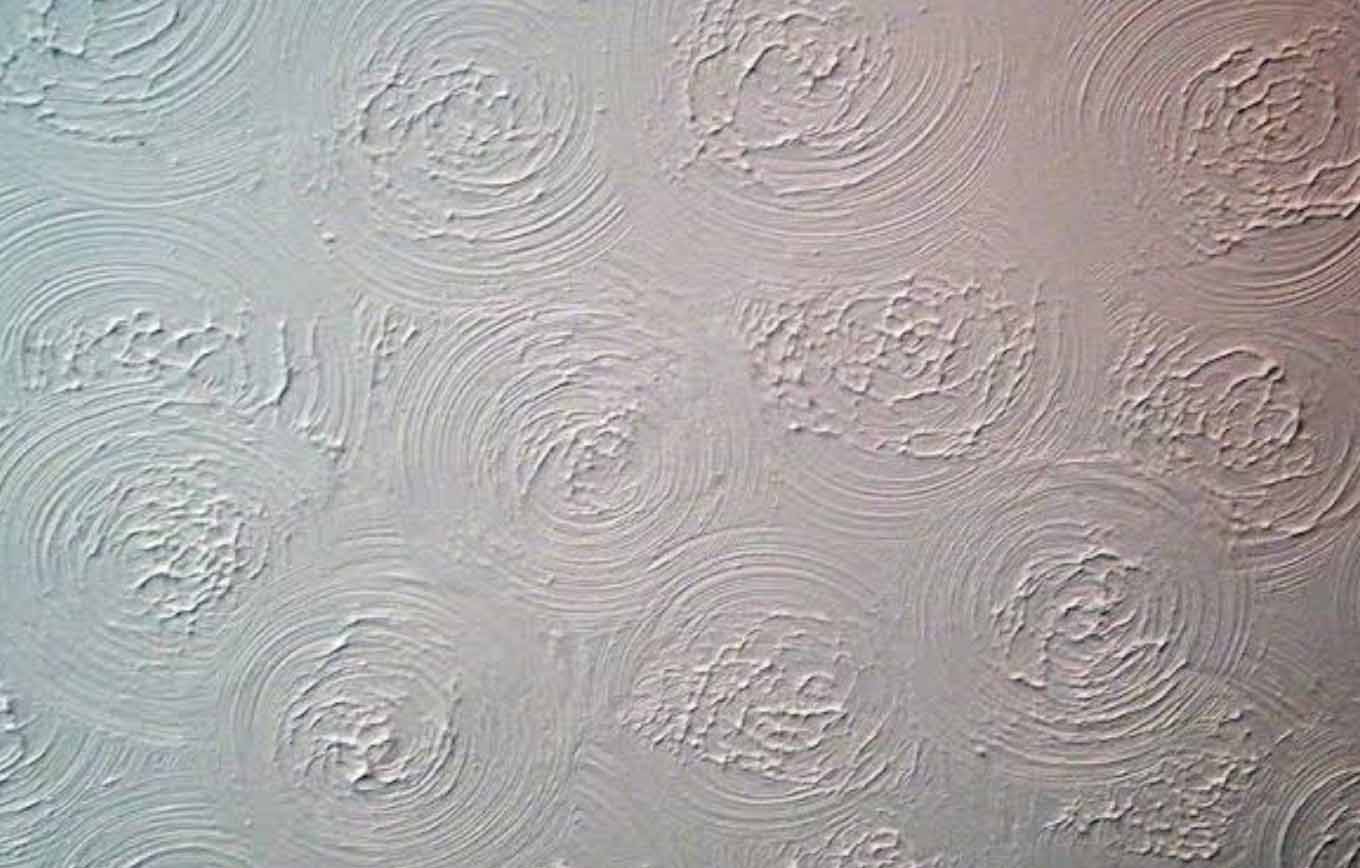
If there's one decade to flag hardest, it's this one. By the 1970s and into the early 1980s, New Zealand's per-person asbestos consumption had overtaken the United States and the United Kingdom, sitting behind only a handful of countries like Australia, Canada and Germany. That's not a small statistic. It means a 1970s NZ home was, on average, more likely to contain asbestos products than an equivalent home built the same year in America or Britain. This is the decade textured ceiling and wall coatings really took off, sprayed on for a decorative finish that also happened to be cheap and quick to apply. It's also when vinyl sheet flooring with a chrysotile backing became common, alongside asbestos cement stormwater and drainage pipes, which still turn up under driveways and lawns during renovations today. Sprayed fire protection appeared in some commercial and multi-unit residential buildings too. It's also the decade a lot of home additions got built by owners themselves, using whatever cement sheet or corrugated roofing was easy to get. That's why detached sleepouts, garages and carports from this era are just as likely to contain asbestos as the main house, sometimes more so, since they were rarely touched again during later renovations that updated the rest of the property. Public understanding shifted hard in the middle of the decade. By 1975, the lethal effects of asbestos exposure were widely reported, and the government responded three years later with the Asbestos Regulations 1978, New Zealand's first real attempt at managing exposure on building sites. None of that helped the millions of square metres of asbestos-cement sheet, tile and lining already sitting in homes built earlier in the decade, and very little of it was ever documented at the time of installation.
The 1980s: Regulation Finally Catches Up (But Not Completely)
The 1980s are where things get more nuanced, because this is the decade regulation and phase-out finally happened, just not all at once. In 1984, the government banned the import of blue and brown asbestos, crocidolite and amosite, though white chrysotile asbestos remained legal and widely used in cement products for several more years. Local manufacturing of asbestos-containing building materials continued until roughly 1987, when it was largely phased out across the industry. James Hardie, by far the country's biggest producer, had begun developing asbestos-free fibre cement technology by the mid-1980s, which is why homes and renovations from the very end of this decade start to look genuinely different from anything a decade earlier. Renovations part-way through the decade often mixed old and new materials in the same job, since tradespeople worked through existing stock rather than writing it off the day a regulation changed. It's not unusual to find a bathroom re-lined in 1985 using asbestos-cement sheet that had been sitting in a yard for a year or two, fitted right alongside genuinely newer, asbestos-free products in the same house. The practical upshot: a house built in 1981 should be treated the same as a 1970s build. A house built in 1988, or one renovated that year, is a lot less likely to contain asbestos, though "less likely" still isn't "never," since old stock and older trade practices didn't disappear overnight just because a regulation changed.
Where James Hardie's Penrose Factory Fits In
A large share of what went into North Island homes across these three decades came from one site. James Hardie had been importing fibre-cement products into New Zealand since 1906, and in 1938 it opened a manufacturing plant in Penrose, Auckland, which went on to supply Fibrolite and Super Six products for close to fifty years. The factory was expanded several times between the 1940s and 1981 to keep up with demand from the state housing programme and the private building boom that followed it. It's worth knowing this history for a reason beyond curiosity. Waste material from Penrose was carted off and used as fill on residential and construction sites right across Auckland for decades, which is part of why asbestos on some older Auckland properties turns up in the garden soil as well as the roof, walls or ceiling. If you're digging in an older Auckland section, that's worth keeping in mind alongside whatever's overhead.
What This Means If You're Buying, Renovating Or Just Curious
 If your home falls anywhere in this 1960s-to-1980s window, the sensible starting position is to assume asbestos is present somewhere until testing says otherwise, rather than the other way around. This applies just as much to classic state house suburbs across South Auckland, where huge numbers of 1960s and 1970s builds are still standing, as it does to villas and bungalows that picked up asbestos products during a later renovation. A standard pre-purchase building report doesn't usually confirm or rule out asbestos, since that isn't what the inspector is there to test. If you're relying on one before signing anything, it's worth asking directly whether asbestos was assessed at all, rather than assuming a clean report has you covered. Don't assume a renovation has already dealt with it, either. A kitchen redone in the 1990s might have left old vinyl-asbestos tiles under the new floor rather than removing them, since ripping out old flooring wasn't always standard practice. The only way to know what you're dealing with, in any decade, is to test the specific material in question rather than guess from the building's age alone.
Confirm It With Testing, Not Guesswork
Guessing gets you a probability. Asbestos testing gets you an answer, and it's a quick, low-disruption process: a small sample from the material in question, sent to an accredited lab, with results back within a few working days. If the roof turns out to be the source, we handle full asbestos roof removal across Auckland under proper containment. Our asbestos and roofing experience covers a long list of Auckland properties from this era, which is enough to know that "the house looks fine" and "the house is asbestos-free" are two completely different statements. If you want a straight answer for your own property, we can talk you through what testing would look like and what to expect from the results.
Common Questions About Asbestos In Older NZ Homes
Is my 1970s Auckland home likely to have asbestos?
Statistically, yes, in some form. The 1970s was New Zealand's peak decade for asbestos use, so a home from this era is more likely than not to contain at least one asbestos product, whether that's roofing, cladding, textured ceilings or old flooring.
How do I know if a 1960s house has asbestos?
Visual clues like corrugated cement roofing, flat sheet cladding and older vinyl floor tiles are a strong indicator, but they're not proof. Testing the specific material is the only way to know for certain, since some non-asbestos products from later eras can look similar at a glance.
Were homes built in the late 1980s still at risk?
Some were, particularly if they used up older stock or if tradespeople hadn't fully transitioned to new materials yet, but the risk drops noticeably after local manufacturing was phased out around 1987. Anything built or renovated before that point is worth treating with the same caution as a 1970s home.