
The Asphalt Shingle Roof Installation Process Explained (Step-by-Step Guide With No Steps Skipped)
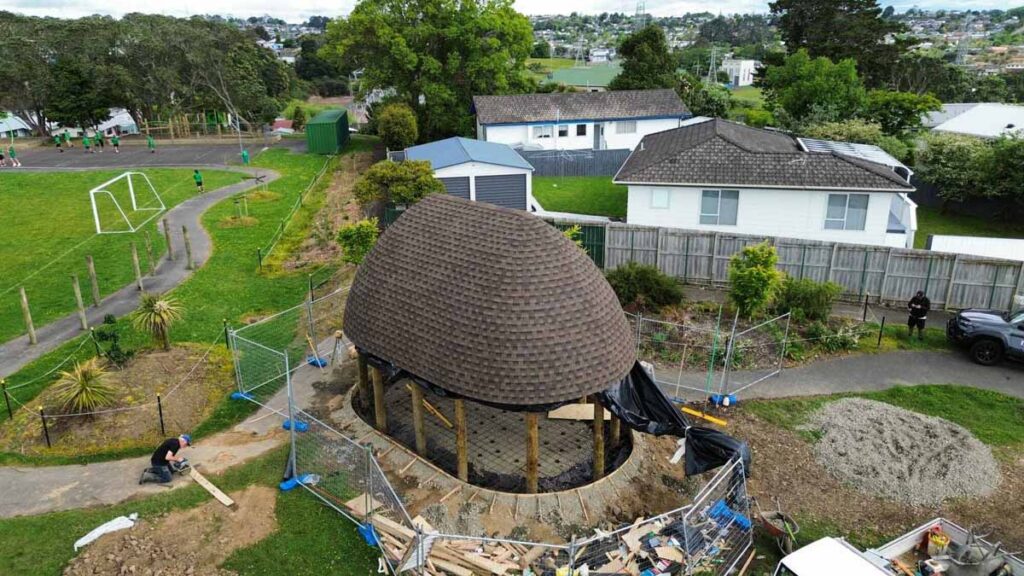
If you are investing in a new roof, understanding how it is actually installed is important. A high-quality asphalt shingle roof is a full system built layer by layer to create a watertight, durable and long-lasting result.
In this guide, we walk through the full asphalt shingle roof installation process, from the initial tear-off through to the final ridge caps, so you know exactly what goes into a properly built roof.
Why the Installation Process Matters
A roof can only perform as well as it is installed. Even premium shingles will fail early if key steps are skipped or rushed.
The installation process ensures that:
- Water is directed away correctly
- Weak points like valleys and penetrations are sealed
- The roof can handle wind, rain and UV exposure
- The system meets manufacturer warranty requirements
This is why choosing experienced installers for your asphalt shingle roof installation is just as important as choosing the product itself.
Step 1: Roof Inspection and Preparation
Before any work begins, the existing roof is assessed.
If this is a re-roof, the old roofing material is removed completely. This allows the team to inspect the structure underneath and identify any issues such as:
- Rotten timber or damaged decking
- Moisture damage
- Structural weaknesses
Removing old materials and clearing debris is essential, as a clean, solid surface is required before installing new layers.
Once exposed, the roof deck is repaired or replaced where needed to create a stable base.
Step 2: Installing the Roofing Substrate
A proper asphalt shingle system requires a continuous solid substrate, typically plywood.
This layer:
- Provides structural strength
- Creates a smooth surface for shingles
- Supports correct fastening
At Asphalt Shingles, we use quality roofing ply and ensure all fixings meet New Zealand standards for long-term performance.
Step 3: Underlay and Waterproofing Layer
Next comes one of the most important parts of the system: the underlay.
This layer sits between the plywood and shingles and acts as a secondary waterproof barrier. It is installed from the bottom up, overlapping each layer to prevent water ingress
In vulnerable areas such as valleys and around penetrations, additional waterproof membranes are often installed.
This step is critical. If water ever gets beneath the shingles, the underlay is what protects your home.
Step 4: Drip Edge and Flashing Installation
Before shingles go on, metal components are installed to manage water flow.
These include:
- Drip edges along roof edges to direct water away
- Flashing around chimneys, skylights and vents
- Valley protection where two roof planes meet
Flashing is often the difference between a roof that lasts and one that leaks. These areas are the most common failure points if not installed correctly
Step 5: Starter Strip Installation
A starter strip is installed along the eaves before the main shingles go on.
This layer:
- Seals the first row of shingles
- Prevents wind uplift
- Improves water runoff at the roof edge
Skipping or incorrectly installing the starter strip is a common shortcut that leads to early roof failure.
Step 6: Laying the Asphalt Shingles
Now the visible part of the roof begins.
Shingles are installed from the bottom of the roof upwards, overlapping each row to create a layered, water-shedding system
Key details during this stage include:
- Precise alignment using chalk lines
- Correct nail placement and spacing
- Consistent overlap between rows
- Cutting and fitting around roof features
Each shingle is part of a larger system. Poor alignment or incorrect nailing can lead to leaks, wind damage or premature wear.
This is where experience matters most, especially for asphalt shingle roof conversions where the existing structure must be adapted properly.
Step 7: Ridge Caps and Ventilation
Once the main roof area is complete, the ridge is finished with specialised ridge cap shingles.
These caps:
- Seal the highest point of the roof
- Allow for ventilation if required
- Protect against wind-driven rain
Ventilation is also addressed at this stage. Proper airflow helps regulate temperature and moisture within the roof space, extending the lifespan of the entire system.
Step 8: Final Checks and Clean-Up
Before the job is complete, the roof is inspected thoroughly.
This includes:
- Checking for loose or misaligned shingles
- Ensuring all flashing is sealed
- Confirming correct fastening
- Cleaning the site and removing debris
Professional installers also perform a full tidy-up, including removing nails and leftover materials from the property.
At this point, the roof is fully sealed and ready to perform.
Common Mistakes to Avoid
Even though the process may seem straightforward, mistakes during installation can cause major issues later.
Common problems include:
- Incorrect nail placement
- Poor flashing installation
- Skipping underlay or starter strips
- Misaligned shingles
- Inadequate ventilation
These issues often lead to leaks, wind damage and reduced lifespan. That is why working with experienced professionals is essential.
If you are unsure about the condition of your current roof, our roof repairs and maintenance service can identify issues early before they become costly.
Why Professional Installation Matters
While some homeowners consider DIY roofing, asphalt shingle installation is a technical process that requires precision at every stage.
Professional installation ensures:
- Compliance with NZ building standards
- Manufacturer warranty protection
- Long-term durability
- Proper weatherproofing
If you are comparing options, it is worth speaking with experienced roofing contractors in Auckland who understand local conditions and installation requirements.
Asphalt Shingles Built Right from the Start
The asphalt shingle roof installation process is not just about laying shingles. It is a carefully structured system, where every layer plays a role in protecting your home.
From preparation and underlay to flashing and final ridge caps, no step can be skipped without compromising performance.
When installed correctly, asphalt shingles deliver a roof that is:
Talk To Asphalt Shingles
At Asphalt Shingles, we specialise in complete roofing systems, from new roof installations through to re-roofing and conversions across all of Auckland.
If you are planning a new roof or want to understand your options, get in touch with our team today for expert advice and a no-obligation quote.